
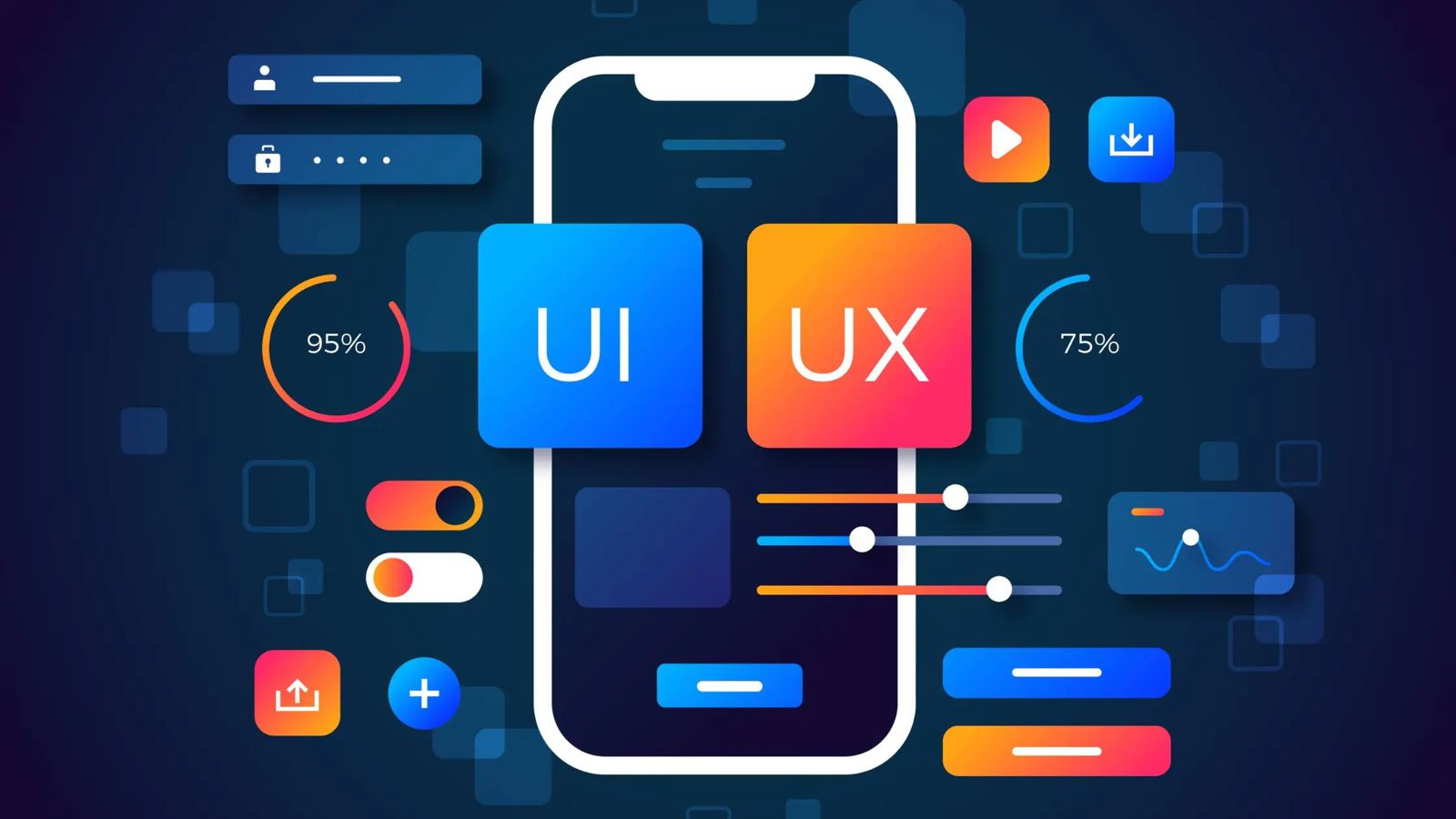
Introduction to UI/UX Design
UI/UX design combines User Interface (UI) and User Experience (UX) to create digital products that are visually appealing, intuitive, and easy to use. UI focuses on the aesthetics and interactive elements, crafting a visually engaging environment, while UX centers on optimizing the user’s journey, ensuring satisfaction and efficiency. Together, UI and UX aim to provide users with a seamless, enjoyable experience that meets their needs and encourages interaction. Effective UI/UX design not only enhances usability but also strengthens brand loyalty, making it a crucial aspect of successful web and app development.

What is UI?
User Interface (UI) refers to the design elements that allow users to interact with a website, app, or digital product. It includes visual components such as buttons, icons, sliders, color schemes, and typography—all crafted to create a visually engaging and functional experience. A well-designed UI focuses on simplicity and intuitiveness, making it easy for users to navigate the interface without confusion. Effective UI design plays a critical role in guiding user behavior and boosting satisfaction, as it directly impacts how easily and comfortably users can achieve their goals on the platform.
What is UX?
User Experience (UX) refers to the overall experience users have when interacting with a website, app, or digital product. It goes beyond visual design, focusing on how users feel and navigate through each step of their journey. UX design considers usability, accessibility, and the ease of achieving a user’s goals, ensuring the product is both efficient and satisfying to use. Good UX design emphasizes understanding users' needs and creating seamless interactions, resulting in a positive, engaging, and meaningful experience that keeps users coming back.